
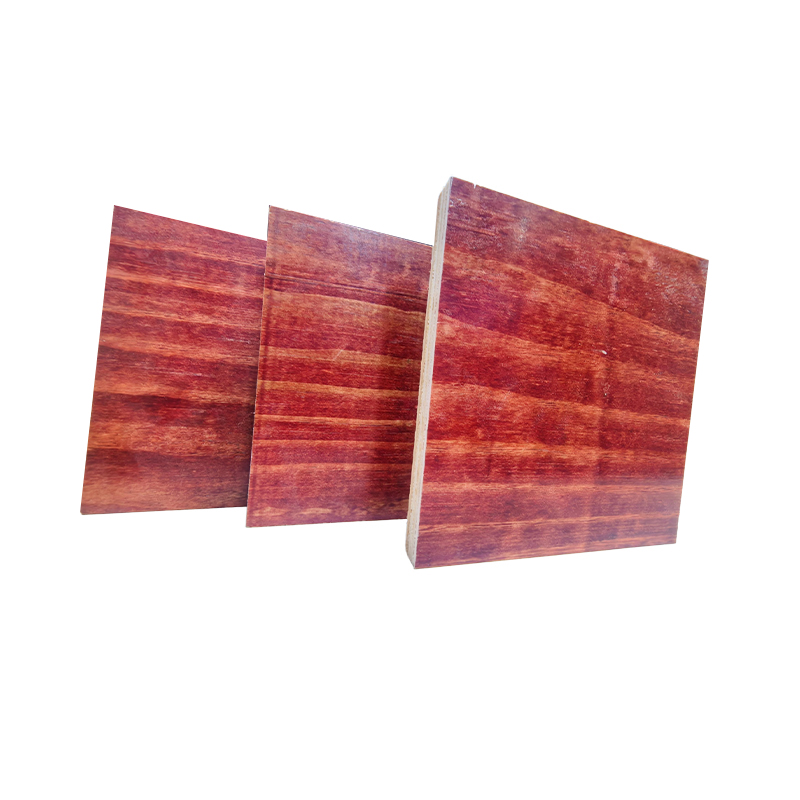
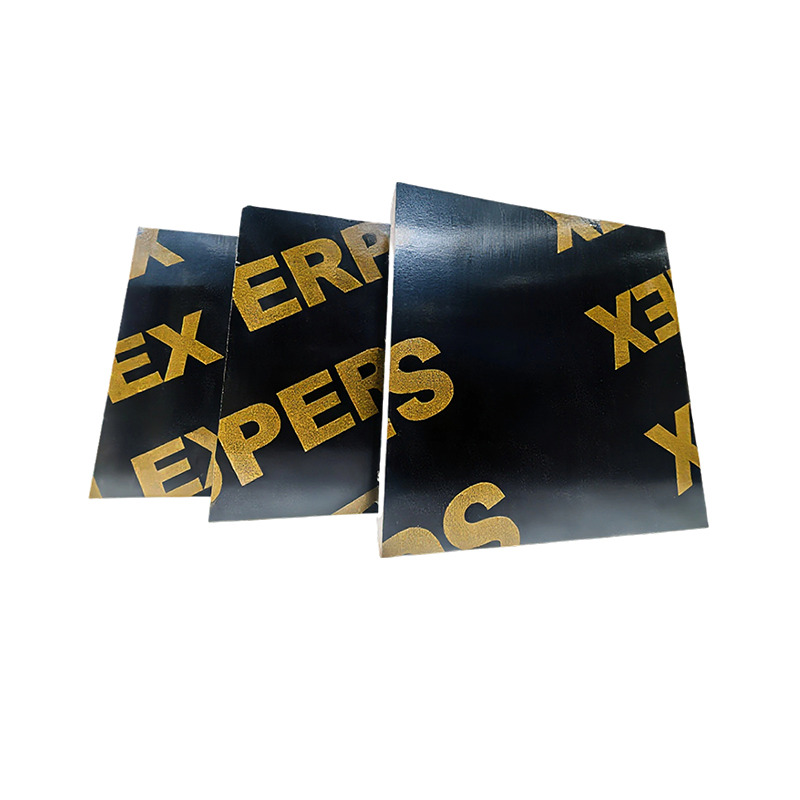
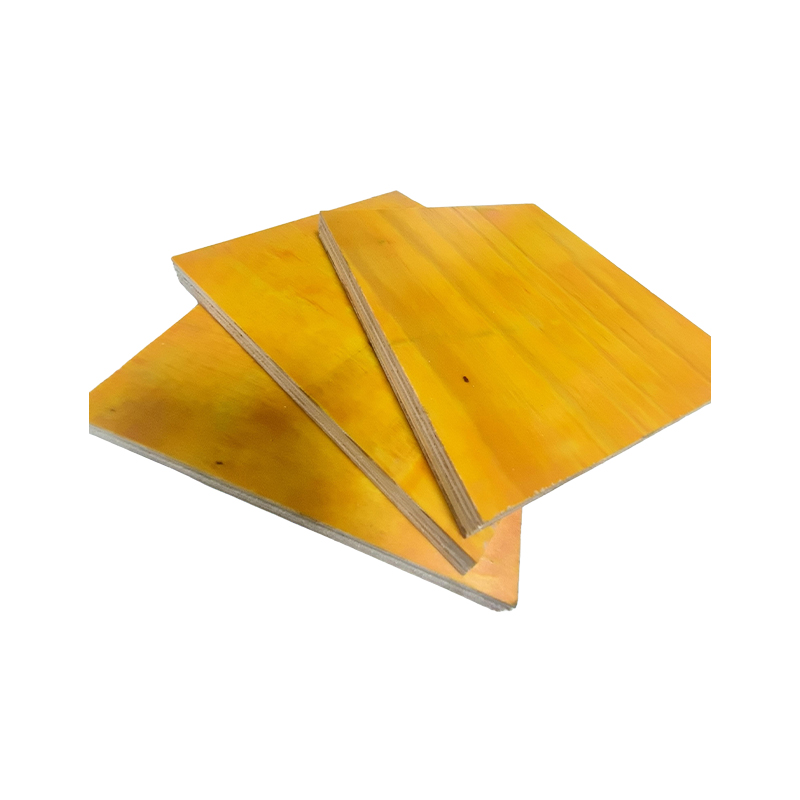


How can building formwork gold board improve its reuse count and economy while ensuring strength through high-performance material structural design?
Release Time : 2026-06-23
In modern construction systems, the performance of the formwork system directly affects construction quality, efficiency, and cost control. As a new type of high-performance formwork material, building formwork gold board, under the demand of high-turnover construction, must ensure sufficient structural strength to withstand the lateral pressure of concrete while possessing good durability to increase the number of reuses.
1. High-performance composite materials enhance foundation load-bearing capacity
Building formwork gold board typically employs a multi-layer composite structure or a high-strength substrate system. Through optimized material combination, it achieves both high rigidity and high toughness. The introduction of high-performance resins, metal reinforcement layers, or composite core materials can significantly improve the overall flexural strength and compressive strength of the board, enabling it to effectively resist lateral pressure and vibration impact during concrete pouring, thereby reducing the risk of deformation and providing a solid foundation for high reuse.
2. Multi-layer structural design enhances overall stability
In terms of structural design, through multi-layer composite and gradient structural optimization, building formwork gold board can achieve stress dispersion and layer-by-layer transfer during the stress process. The outer layer bears the main wear and impact, the middle layer provides structural support, and the core layer enhances overall rigidity. This layered stress-bearing mechanism not only improves overall stability but also effectively delays the spread of localized damage, thereby extending the service life of the formwork and increasing its reuse rate.
3. Surface Strengthening Treatment Improves Wear Resistance and Demolding Performance
During repeated use, surface wear and concrete adhesion are key factors affecting the economic efficiency of formwork. Surface coating treatments, wear-resistant coatings, or anti-sticking layers can significantly reduce concrete adhesion, making demolding smoother. Simultaneously, the wear-resistant layer reduces scratch damage during construction, allowing the formwork to maintain good surface quality and dimensional accuracy even after multiple cycles of use.
4. Structural Optimization Design Reduces Loss and Deformation
A reasonable structural design can effectively reduce fatigue damage to materials under repeated stress. For example, by optimizing the frame reinforcement structure, rationally arranging reinforcing ribs, and controlling the thickness distribution of the plates, stress is more evenly distributed, reducing localized concentrated deformation. This structural optimization not only improves the overall load-bearing capacity but also reduces the accumulation of deformation over long-term use, thereby improving the stability of repeated use.
5. Standardization and Modular Design Enhance Economic Efficiency
In practical construction applications, standardization and modular design significantly improve the versatility and reusability of formwork. Unified dimensions and connection methods allow Building Formwork Gold Board to be quickly reused in different projects, reducing the cost of non-standard customization. Simultaneously, the modular structure facilitates individual component replacement after partial damage, avoiding complete scrapping, thereby further reducing usage costs and improving economic efficiency.
In summary, Building Formwork Gold Board achieves its goal of increasing reuse frequency and economic efficiency while maintaining high strength through the synergistic optimization of high-performance material systems, multi-layer structural design, surface strengthening treatment, structural optimization, and standardized modular design. This comprehensive design approach gives it higher application value and cost advantages in modern building construction.
1. High-performance composite materials enhance foundation load-bearing capacity
Building formwork gold board typically employs a multi-layer composite structure or a high-strength substrate system. Through optimized material combination, it achieves both high rigidity and high toughness. The introduction of high-performance resins, metal reinforcement layers, or composite core materials can significantly improve the overall flexural strength and compressive strength of the board, enabling it to effectively resist lateral pressure and vibration impact during concrete pouring, thereby reducing the risk of deformation and providing a solid foundation for high reuse.
2. Multi-layer structural design enhances overall stability
In terms of structural design, through multi-layer composite and gradient structural optimization, building formwork gold board can achieve stress dispersion and layer-by-layer transfer during the stress process. The outer layer bears the main wear and impact, the middle layer provides structural support, and the core layer enhances overall rigidity. This layered stress-bearing mechanism not only improves overall stability but also effectively delays the spread of localized damage, thereby extending the service life of the formwork and increasing its reuse rate.
3. Surface Strengthening Treatment Improves Wear Resistance and Demolding Performance
During repeated use, surface wear and concrete adhesion are key factors affecting the economic efficiency of formwork. Surface coating treatments, wear-resistant coatings, or anti-sticking layers can significantly reduce concrete adhesion, making demolding smoother. Simultaneously, the wear-resistant layer reduces scratch damage during construction, allowing the formwork to maintain good surface quality and dimensional accuracy even after multiple cycles of use.
4. Structural Optimization Design Reduces Loss and Deformation
A reasonable structural design can effectively reduce fatigue damage to materials under repeated stress. For example, by optimizing the frame reinforcement structure, rationally arranging reinforcing ribs, and controlling the thickness distribution of the plates, stress is more evenly distributed, reducing localized concentrated deformation. This structural optimization not only improves the overall load-bearing capacity but also reduces the accumulation of deformation over long-term use, thereby improving the stability of repeated use.
5. Standardization and Modular Design Enhance Economic Efficiency
In practical construction applications, standardization and modular design significantly improve the versatility and reusability of formwork. Unified dimensions and connection methods allow Building Formwork Gold Board to be quickly reused in different projects, reducing the cost of non-standard customization. Simultaneously, the modular structure facilitates individual component replacement after partial damage, avoiding complete scrapping, thereby further reducing usage costs and improving economic efficiency.
In summary, Building Formwork Gold Board achieves its goal of increasing reuse frequency and economic efficiency while maintaining high strength through the synergistic optimization of high-performance material systems, multi-layer structural design, surface strengthening treatment, structural optimization, and standardized modular design. This comprehensive design approach gives it higher application value and cost advantages in modern building construction.