


Why have film-faced panels become a premier choice for modern construction projects?
Release Time : 2026-07-22
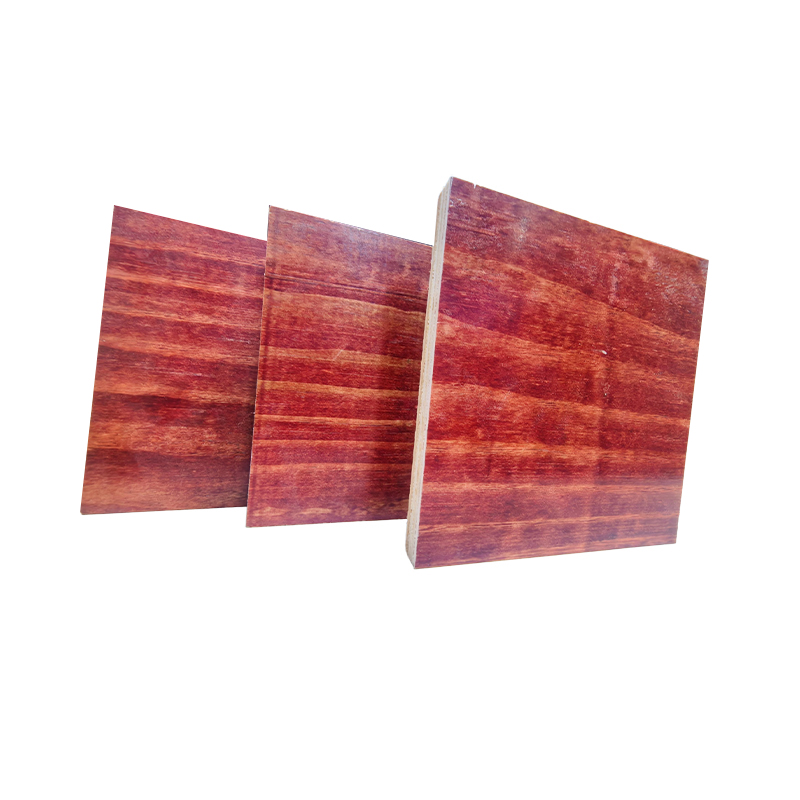
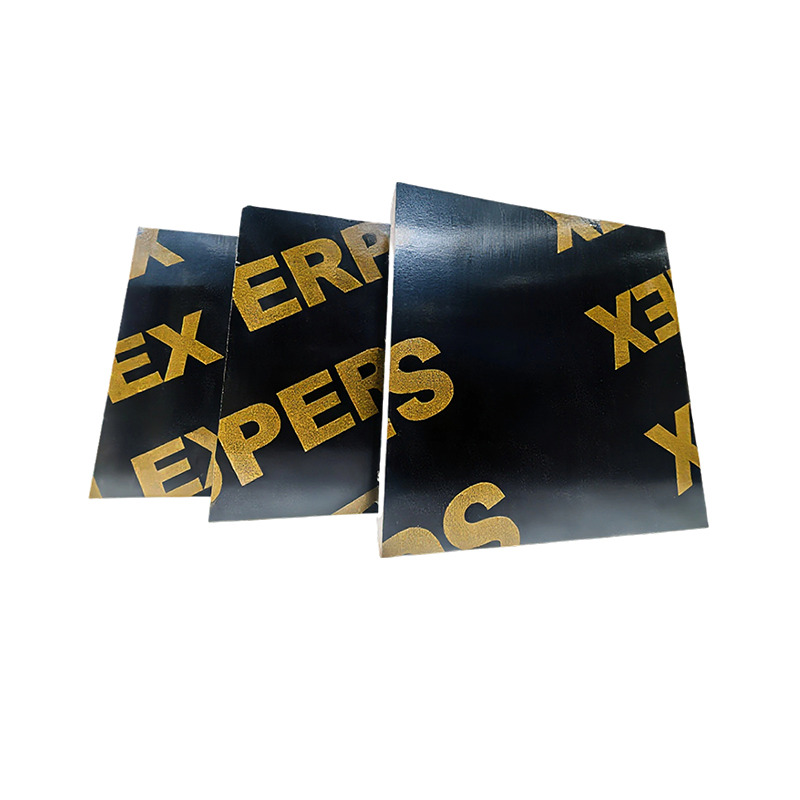
Advancements in construction engineering are continuously driving the evolution of building materials toward higher quality, efficiency, and durability. Building film faced panels, as an important product of modern building formwork, use high-quality artificial boards as the base material, with a high-strength impregnated film paper covering the surface, and are made by high temperature and high pressure pressing. They not only have excellent strength and durability, but also provide a smooth and flat molding effect for concrete pouring. Thanks to their consistent performance and versatility, film-faced panels have become indispensable materials for projects such as high-rise buildings, bridges, and tunnels.
The biggest advantage of building film faced panels lies in their excellent molding effect. During concrete pouring, the flatness of the formwork surface directly impacts the aesthetic quality of the final structure. The smooth, high-strength film overlay ensures the concrete surface is flat and visually appealing, reducing the need for remedial work and enhancing overall construction quality. For projects aiming for high-quality architectural results, these panels provide stable and reliable formwork support.
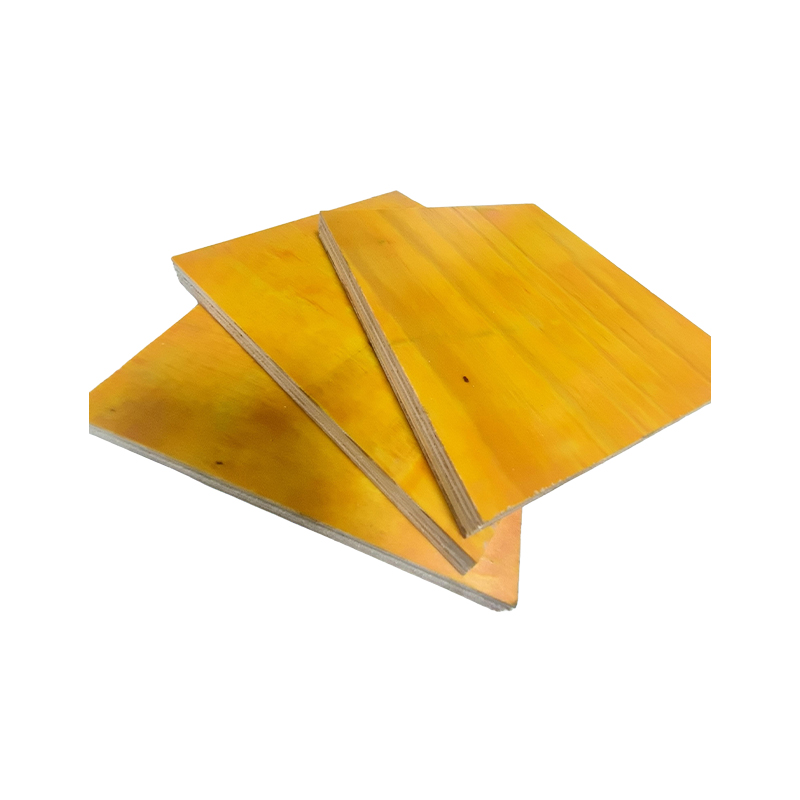
High-quality substrates give building film faced panels superior overall performance. Made from premium plywood, they possess excellent strength and toughness, allowing them to withstand the various stresses encountered during construction without easily deforming or cracking. Processing under high temperature and pressure stabilizes the panel's internal structure, ensuring reliable performance even in demanding construction environments.
The film overlay not only improves surface quality but also enhances wear resistance. During construction, formwork is frequently exposed to concrete, tools, and machinery; while ordinary formwork is prone to wear and tear, the protective film layer on these panels effectively minimizes surface damage and maintains structural integrity. This allows the panels to deliver consistent results over multiple uses, fully demonstrating their durability.
Excellent water resistance is another key feature of film-faced panels. Construction sites are often exposed to damp conditions and moisture from concrete; ordinary panels tend to absorb water and swell, which can compromise construction quality. The film coating on these panels effectively minimizes moisture penetration, preserves the stability of the internal structure, and extends the product's service life; it also ensures dimensional stability, providing reliable support for concrete construction.
Increased construction efficiency is a key reason for the widespread popularity of these film-faced panels. They allow for smoother formwork removal, as the concrete does not easily adhere to the surface, which simplifies the work for the crew and helps shorten construction cycles. Cleaning after removal is easy, enabling quick reuse and boosting overall efficiency to support project schedules.
Building film-faced panels have good reusability. Their stable structure, combined with a wear-resistant film coating, ensures they maintain flatness and integrity across multiple uses without compromising construction quality. For large-scale projects, this durability reduces the frequency of material replacement and improves resource utilization, offering significant advantages for project management.
Their versatility further highlights the comprehensive benefits of these film-faced panels. In high-rise construction, they meet the formwork requirements for various structures such as floor slabs, walls, beams, and columns; in bridge engineering, they adapt to complex structural demands; and in tunnel construction, their strength and durability play a vital role. Regardless of the construction environment, they consistently deliver stable and reliable performance.
As modern construction projects continue to develop towards large-scale and standardized operations, construction materials not only need to have excellent quality, but also good adaptability. These panels can be flexibly applied to meet specific project needs and integrate seamlessly with various formwork support systems, providing construction teams with highly efficient solutions. They perform reliably across a wide range of applications, from major infrastructure projects to various civil construction works.
The growing emphasis on green construction practices further underscores the value of these film-faced panels. Their durability and reusability help minimize material waste and maximize resource efficiency, aligning perfectly with the green construction principles advocated by the modern industry. Additionally, their high efficiency eases project management burdens and creates better working conditions for construction teams.
For construction enterprises, selecting high-quality formwork is crucial not only for efficiency but also for ensuring project quality and maintaining corporate reputation. Film-faced panels for construction offer reliable formwork support thanks to their excellent surface finish, structural stability, resistance to wear and water, and ease of use. These panels maintain consistent performance even in challenging construction environments, ensuring high-quality concrete molding.
In summary, building film faced panels have become an important part of modern building construction due to their high-quality substrates, high-strength coating, smooth and even molding effect, excellent durability, and wide range of engineering applications. From high-rise buildings and bridges to tunnels and various infrastructure projects, these panels consistently deliver value through their reliability and efficiency, providing a solid material foundation for the high-quality development of the construction industry.