
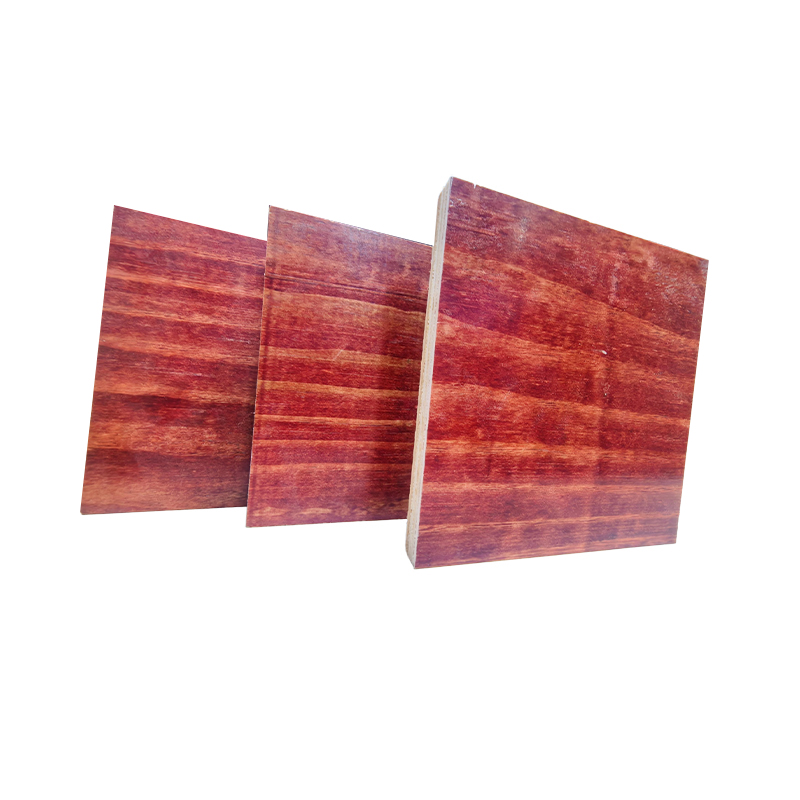
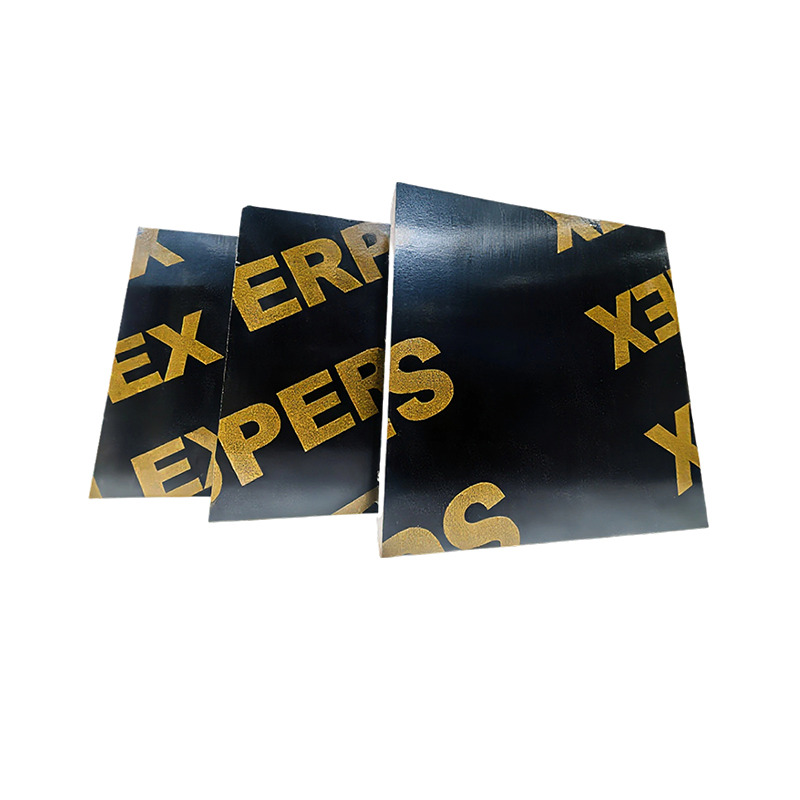
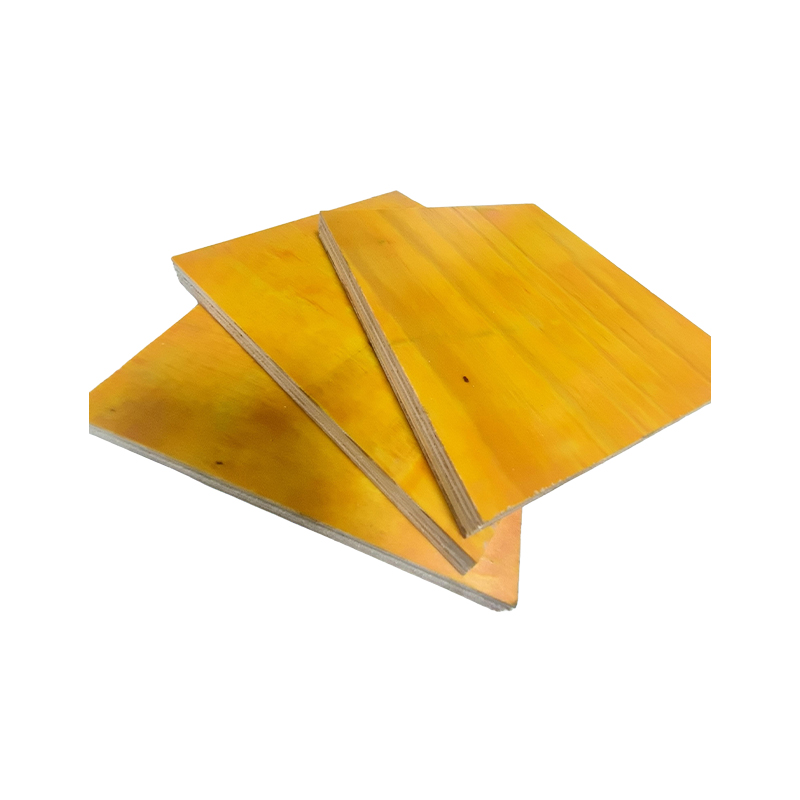


How does building formwork gold board maintain dimensional stability and flatness in high-frequency construction environments?
Release Time : 2026-03-25
As an important reusable material in modern construction, building formwork gold board needs to withstand multiple challenges such as concrete pressure, vibration impact, and repeated disassembly and assembly under high-frequency use. Maintaining dimensional stability and surface flatness under these conditions is key to evaluating its performance. Through the synergy of material optimization, structural design, and process control, building formwork gold board can achieve long-term stable use.
1. High-performance substrate ensures foundation stability
Building formwork gold board typically uses high-strength metal substrates or composite materials. Its dense internal structure and high strength make it less prone to deformation under the lateral pressure of concrete. Compared to traditional wooden formwork, which is prone to water absorption and expansion or contraction, gold board materials have a lower coefficient of thermal expansion and good moisture resistance, allowing it to maintain dimensional stability in humid or temperature-changing environments, fundamentally reducing warping and deformation problems.
2. Surface coating enhances flatness retention
The surface of gold board formwork is usually coated with a wear-resistant, anti-adhesion functional layer, such as a polymer coating or a metal protective layer. This type of surface treatment not only improves wear resistance but also reduces concrete adhesion during multiple pours, preventing residue buildup from affecting flatness. Simultaneously, the smooth surface contributes to the quality of concrete forming, ensuring the formwork maintains a good appearance even after repeated use.
3. Structural Reinforcement Design Reduces Deformation Risk
In formwork design, overall rigidity is typically improved by adding reinforcing ribs or optimizing the thickness distribution of the panels. A well-designed reinforcement structure effectively distributes stress, preventing deformation caused by localized pressure. In high-frequency construction, formwork needs to withstand repeated loads and vibrations; reinforcement design ensures it maintains its original shape and dimensional accuracy over long-term use, thus guaranteeing consistent construction quality.
4. Connection and Assembly Precision Control
The precision of the splicing between formwork panels significantly affects overall flatness. High-precision formwork typically uses standardized connection methods, such as clips, bolts, or specialized connectors, making assembly tighter and more secure. A high-precision connection system reduces misalignment or loosening at joints, ensuring the overall formwork surface remains flat and consistent. At the same time, a stable connection structure also helps reduce displacement or deformation during construction.
5. Enhanced Impact and Fatigue Resistance for Improved Durability
During construction, formwork is subjected not only to static pressure but also to impact forces from equipment such as vibrators. Gold-plated formwork, through material reinforcement and structural optimization, possesses excellent impact and fatigue resistance, making it less prone to cracking or permanent deformation even under long-term repeated use. This durability is crucial for maintaining dimensional stability and surface flatness.
6. Extended Lifespan Through Proper Use and Maintenance
Besides material and design factors, proper use and maintenance are equally important. During construction, excessive concentrated loads and improper operation should be avoided. Regular cleaning of residues on the formwork surface and appropriate maintenance are essential. Proper management reduces damage caused by human factors, thereby extending its service life and maintaining good dimensional stability and surface quality.
In summary, building formwork gold board, through its high-performance substrate, wear-resistant surface treatment, structural reinforcement design, and precision connection methods, effectively maintains dimensional stability and flatness in high-frequency construction environments. Furthermore, its excellent impact resistance and proper maintenance measures further guarantee its long-term effectiveness, making it an efficient and reliable formwork solution in modern building construction.
1. High-performance substrate ensures foundation stability
Building formwork gold board typically uses high-strength metal substrates or composite materials. Its dense internal structure and high strength make it less prone to deformation under the lateral pressure of concrete. Compared to traditional wooden formwork, which is prone to water absorption and expansion or contraction, gold board materials have a lower coefficient of thermal expansion and good moisture resistance, allowing it to maintain dimensional stability in humid or temperature-changing environments, fundamentally reducing warping and deformation problems.
2. Surface coating enhances flatness retention
The surface of gold board formwork is usually coated with a wear-resistant, anti-adhesion functional layer, such as a polymer coating or a metal protective layer. This type of surface treatment not only improves wear resistance but also reduces concrete adhesion during multiple pours, preventing residue buildup from affecting flatness. Simultaneously, the smooth surface contributes to the quality of concrete forming, ensuring the formwork maintains a good appearance even after repeated use.
3. Structural Reinforcement Design Reduces Deformation Risk
In formwork design, overall rigidity is typically improved by adding reinforcing ribs or optimizing the thickness distribution of the panels. A well-designed reinforcement structure effectively distributes stress, preventing deformation caused by localized pressure. In high-frequency construction, formwork needs to withstand repeated loads and vibrations; reinforcement design ensures it maintains its original shape and dimensional accuracy over long-term use, thus guaranteeing consistent construction quality.
4. Connection and Assembly Precision Control
The precision of the splicing between formwork panels significantly affects overall flatness. High-precision formwork typically uses standardized connection methods, such as clips, bolts, or specialized connectors, making assembly tighter and more secure. A high-precision connection system reduces misalignment or loosening at joints, ensuring the overall formwork surface remains flat and consistent. At the same time, a stable connection structure also helps reduce displacement or deformation during construction.
5. Enhanced Impact and Fatigue Resistance for Improved Durability
During construction, formwork is subjected not only to static pressure but also to impact forces from equipment such as vibrators. Gold-plated formwork, through material reinforcement and structural optimization, possesses excellent impact and fatigue resistance, making it less prone to cracking or permanent deformation even under long-term repeated use. This durability is crucial for maintaining dimensional stability and surface flatness.
6. Extended Lifespan Through Proper Use and Maintenance
Besides material and design factors, proper use and maintenance are equally important. During construction, excessive concentrated loads and improper operation should be avoided. Regular cleaning of residues on the formwork surface and appropriate maintenance are essential. Proper management reduces damage caused by human factors, thereby extending its service life and maintaining good dimensional stability and surface quality.
In summary, building formwork gold board, through its high-performance substrate, wear-resistant surface treatment, structural reinforcement design, and precision connection methods, effectively maintains dimensional stability and flatness in high-frequency construction environments. Furthermore, its excellent impact resistance and proper maintenance measures further guarantee its long-term effectiveness, making it an efficient and reliable formwork solution in modern building construction.