


How can structural design be used to enhance the impact resistance of building film faced panels?
Release Time : 2026-03-11
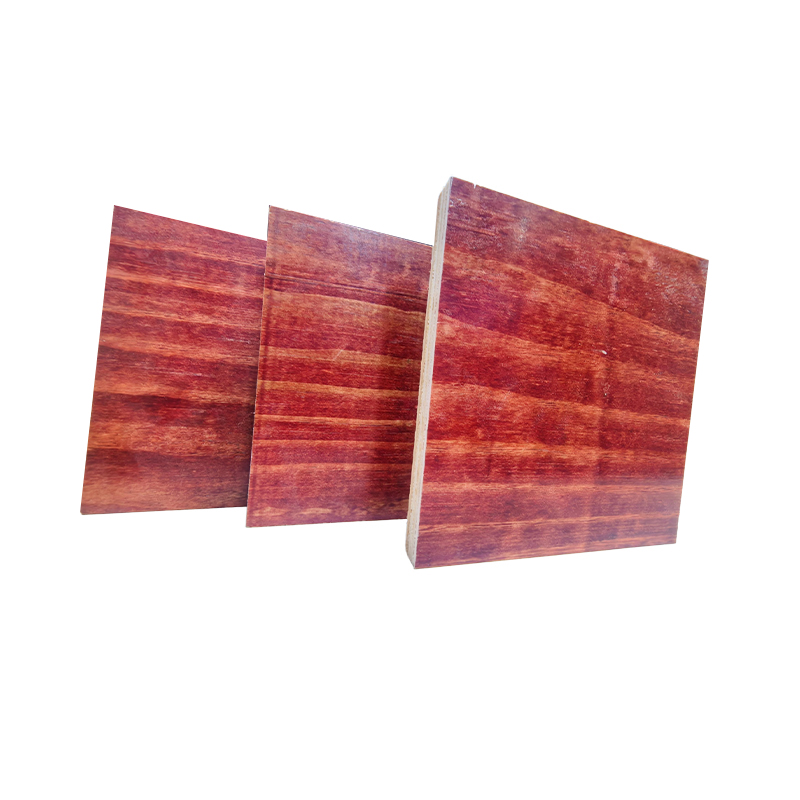
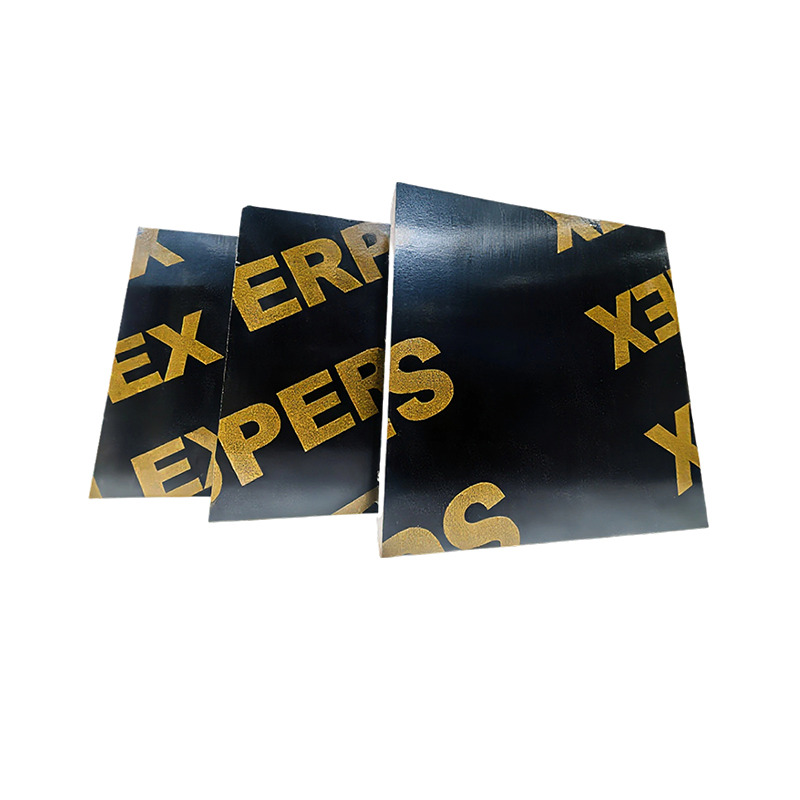
Building film-faced panels (FCPPs), widely used formwork materials in modern construction, directly impact safety, formwork lifespan, and project quality. A well-designed structure can effectively enhance the impact resistance of FCPPs, ensuring stable performance even in complex construction environments. The following discusses specific methods for improving impact resistance through structural design from multiple perspectives.
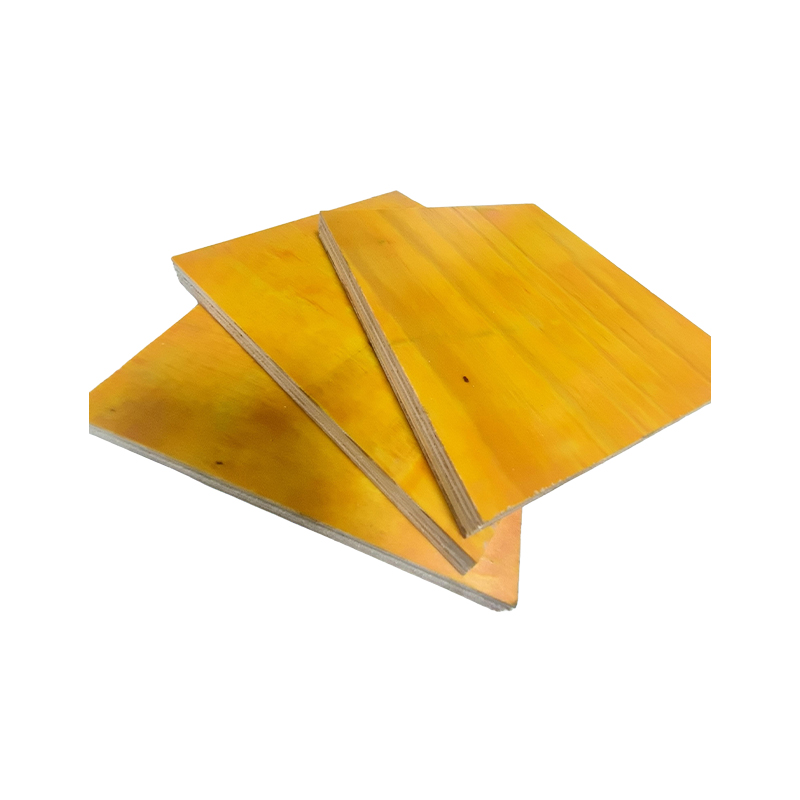
The core layer of the FCPP is the impact-bearing component, and its structural design must balance strength and toughness. Traditional FCPPs often use a single-layer wood or bamboo core structure, which is prone to brittle fracture under impact loads. An optimization approach is to use multi-layer composite structures, such as alternating wood and bamboo cores, or introducing a glass fiber reinforcement layer. This design leverages the complementary mechanical properties of different materials, utilizing the compressive strength of wood and the tensile strength of bamboo, while the addition of glass fiber effectively disperses impact energy and prevents crack propagation. Furthermore, the thickness distribution of the core layer also needs optimization, appropriately increasing the thickness in impact-prone areas (such as formwork edges and joints) to create locally reinforced structures.
The structural design of the FCPP layer is crucial for improving impact resistance. A high-quality coating not only protects the substrate from environmental corrosion but also absorbs some impact energy through its own elasticity. For material selection, a blend of high-density polyethylene (HDPE) and polypropylene (PP) is recommended, as this material combines flexibility and abrasion resistance. Regarding the coating process, hot-melt coating technology is suggested to create a molecular-level bond between the film and the substrate, preventing a decrease in impact resistance due to delamination. Furthermore, the coating surface can be designed with a micro-textured structure, such as diamond or wavy embossed patterns. This design increases the friction at the impact contact surface, transforming point impacts into surface dispersion, thereby reducing localized stress concentration.
The edge structure of the template is a weak point in impact resistance design. Traditional right-angled edges are prone to chipping or cracking under lateral impact. An optimized solution is to use a rounded corner design, with the rounded corner radius controlled within the range of 3-5 mm. This reduces stress concentration while maintaining the tightness of the template joints. Simultaneously, metal or plastic reinforcing strips can be embedded in the edges to form a composite edge structure. This design achieves a balanced protection effect by using rigid reinforcing strips to absorb the main impact force and a soft substrate to absorb the remaining energy. For formwork that is frequently disassembled, removable edge protection sleeves can be designed to further extend the service life of the edges.
The connection structure design of the formwork directly affects the overall impact resistance. Traditional nail or bolt connections are prone to loosening under impact loads, leading to localized failure of the formwork. An improved solution combines mortise and tenon joints with metal connectors. The mortise and tenon joints achieve connection through mechanical interlocking between the substrates, eliminating the need for additional fasteners and reducing stress concentration points. Metal connectors are used to reinforce critical areas, such as using L-shaped or Z-shaped steel plates to fix adjacent formwork sections, forming a frame structure. This design ensures the overall rigidity of the formwork while absorbing some impact energy through the plastic deformation of the metal components, preventing brittle fracture.
The design of the internal support structure plays an indirect but crucial role in improving the impact resistance of the laminated plywood. A reasonable support layout can evenly distribute the impact load throughout the entire formwork system, avoiding localized overload. A grid-like support system is recommended, with the support spacing determined based on the formwork size and expected load, generally controlled within the range of 300-500 mm. Lightweight high-strength alloys or carbon fiber composites can be used for the support materials, reducing the formwork's weight while ensuring support strength. Furthermore, the connection method between the support and the formwork should be optimized, such as using elastic connectors to allow the formwork to undergo minor deformation upon impact, achieving a buffering effect through energy dissipation through deformation.
The dynamic response characteristics of the formwork are also an important factor to consider in structural design. Under impact loads, the formwork will vibrate, and excessive vibration amplitude will exacerbate structural damage. Adjusting the natural frequency of the formwork through structural design, keeping it away from the operating frequency range of construction equipment, can effectively reduce resonance. Specific methods include adjusting the formwork mass distribution, changing the support stiffness, or adding damping materials. For example, attaching high-damping rubber pads to the back of the formwork can absorb vibration energy and provide additional impact protection.
Improving the impact resistance of building film faced panels is a systematic project, requiring comprehensive design from multiple dimensions, including the substrate layer, coating layer, edge structure, connection method, internal support, and dynamic response. Through structural optimization, not only can the impact resistance of the film-faced plywood be significantly enhanced, but its service life can also be extended and construction costs reduced, providing a more reliable and economical formwork solution for modern construction projects.