


Why Are Building Film Faced Panels Essential for High-Rise and Infrastructure Projects?
Release Time : 2026-04-21
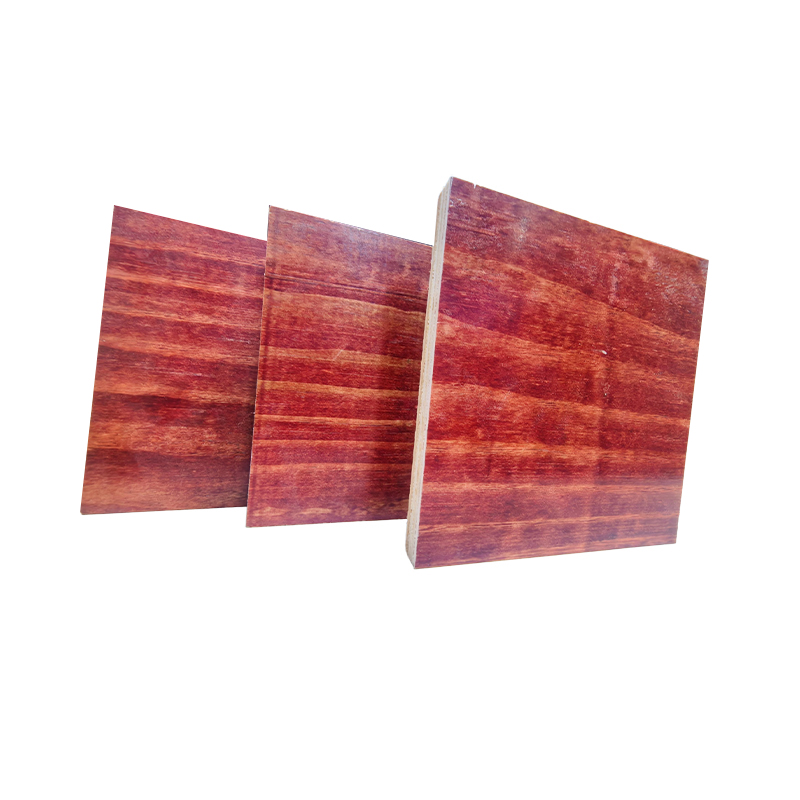
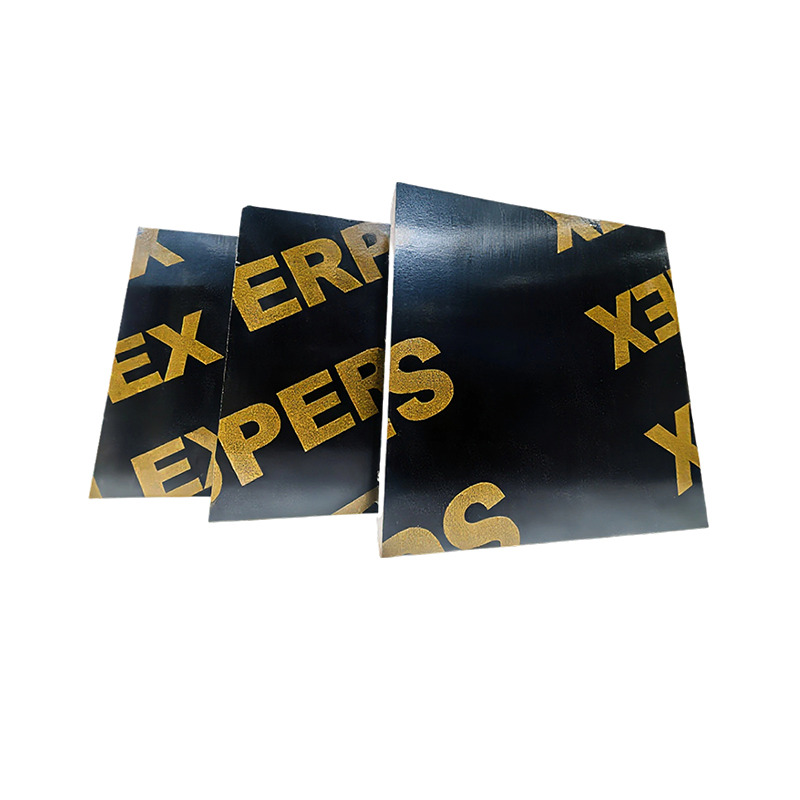
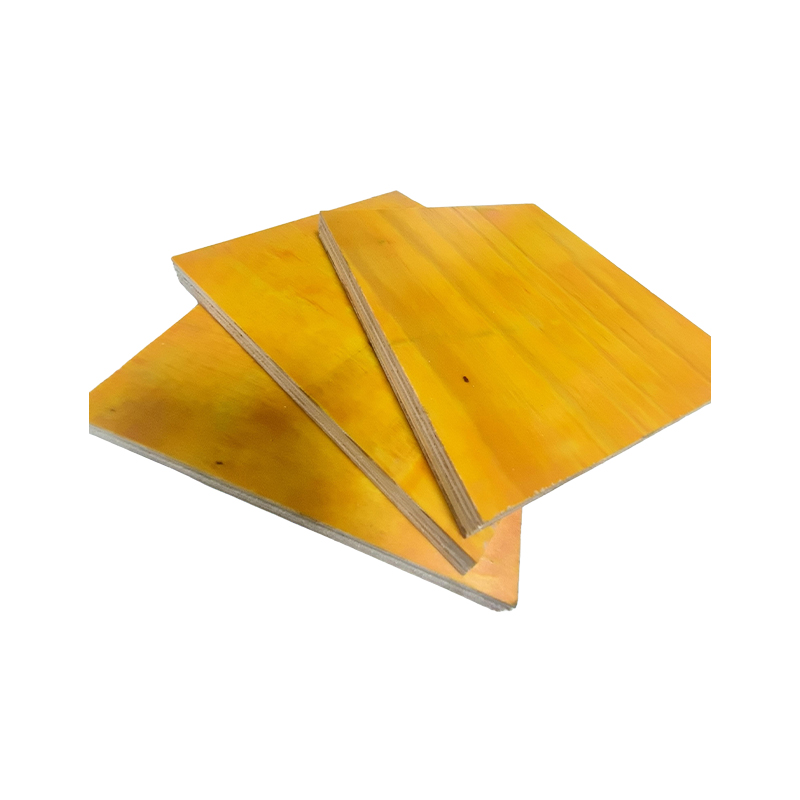
The skyline of the modern metropolis is defined by the soaring heights of high-rise buildings and the complex networks of infrastructure that support urban life. Beneath the gleaming glass and steel facades lies a fundamental element: concrete. The quality, speed, and safety of concrete construction depend heavily on the formwork systems used to mold it. Among these systems, Building Film Faced Panels have emerged as an indispensable tool. These engineered panels, consisting of high-quality plywood bases covered with high-strength impregnated film paper, provide the necessary durability, precision, and efficiency required for large-scale engineering projects. Their ability to withstand harsh construction environments while delivering superior surface finishes makes them essential for the successful execution of bridges, tunnels, and skyscrapers.
Superior Surface Finish and Concrete Quality
The primary function of any formwork is to shape the concrete, but the quality of that shape is dictated by the surface of the panel. Film faced panels are manufactured by fusing a phenolic-impregnated film to the wood substrate under high temperature and pressure. This creates an exceptionally smooth, non-porous surface. When concrete is poured against this surface, it does not adhere to the panel, and the resulting structure possesses a clean, mirror-like finish. In high-end architectural projects, such as exposed concrete walls in commercial towers or the smooth piers of a bridge, this aesthetic quality is crucial. It significantly reduces the need for post-construction surface remediation, such as plastering or grinding, thereby saving time and labor costs.
Exceptional Durability and Weather Resistance
Construction sites, particularly for infrastructure projects like tunnels and dams, are often harsh environments characterized by moisture, temperature fluctuations, and physical abrasion. Standard plywood would quickly delaminate, warp, or rot under these conditions. The film coating on these panels acts as a protective shield. It renders the panel waterproof, preventing moisture from penetrating the wood core. This resistance to water is vital for maintaining the structural integrity of the formwork during the curing process and while in storage. Furthermore, the film is resistant to chemicals found in concrete and cleaning agents, as well as UV radiation. This resilience ensures that the panels remain functional and stable over long construction periods, reducing the risk of formwork failure.
High Reusability and Economic Efficiency
The economic viability of a construction project is often determined by the lifecycle cost of its materials. Film faced panels are designed for high reusability. While standard timber formwork might be used only a few times before becoming unusable, high-quality film faced panels can be reused dozens of times, depending on the care and application. This high turnover rate significantly lowers the cost per use, making them a cost-effective solution for massive projects that require vast quantities of formwork. For high-rise buildings, where the same floor plan is repeated vertically, these panels can be stripped, cleaned, and lifted to the next level repeatedly without losing their structural properties or surface finish.
Structural Strength and Load Bearing Capacity
High-rise construction and heavy infrastructure projects involve pouring massive volumes of concrete, which exerts immense hydrostatic pressure on the formwork. Film faced panels are typically backed by a core of high-density hardwood or mixed wood veneers. This composition provides high static bending strength and a high modulus of elasticity. The panels are rigid and capable of withstanding heavy loads without excessive deflection. This strength is critical for ensuring the dimensional accuracy of the concrete structure. In bridge construction, where precise geometry is required for structural stability, the ability of these panels to maintain their shape under pressure prevents bulging or distortion of the concrete element.
Versatility in Complex Engineering Applications
The versatility of film faced panels allows them to be used in a wide array of engineering contexts. In tunnel construction, for example, the formwork must be able to navigate curved paths and withstand constant moisture. The flexibility and water resistance of these panels make them ideal for such applications. Similarly, in the construction of cooling towers or silos, the panels can be cut and shaped to form curved surfaces while maintaining their edge integrity. The availability of different film colors and textures also allows for architectural customization, enabling designers to imprint specific patterns onto the concrete surface. This adaptability ensures that the material can meet the specific technical and aesthetic demands of diverse projects.
Efficiency in Assembly and Handling
Time is a critical resource in construction. Film faced panels are engineered to be lightweight relative to their strength, making them easier to handle and transport on site. They can be easily cut, drilled, and nailed using standard carpentry tools, allowing for rapid customization and assembly. The smooth surface also facilitates easy cleaning after the pour; concrete residue does not stick tenaciously, meaning the panels can be stripped and prepared for the next use with minimal effort. This ease of handling accelerates the construction cycle, allowing contractors to meet tight deadlines. In fast-track projects, such as airport expansions or highway repairs, this speed of assembly and disassembly is a distinct advantage.
Building Film Faced Panels represent a synthesis of material science and practical engineering. They address the core challenges of modern concrete construction: the need for speed, the demand for quality, and the constraint of cost. By providing a durable, reusable, and high-performance forming surface, they enable the realization of complex architectural visions and critical infrastructure. As the construction industry continues to push the boundaries of height and scale, these panels will remain a foundational element, ensuring that the structures of tomorrow are built on a base of reliability and precision.
Superior Surface Finish and Concrete Quality
The primary function of any formwork is to shape the concrete, but the quality of that shape is dictated by the surface of the panel. Film faced panels are manufactured by fusing a phenolic-impregnated film to the wood substrate under high temperature and pressure. This creates an exceptionally smooth, non-porous surface. When concrete is poured against this surface, it does not adhere to the panel, and the resulting structure possesses a clean, mirror-like finish. In high-end architectural projects, such as exposed concrete walls in commercial towers or the smooth piers of a bridge, this aesthetic quality is crucial. It significantly reduces the need for post-construction surface remediation, such as plastering or grinding, thereby saving time and labor costs.
Exceptional Durability and Weather Resistance
Construction sites, particularly for infrastructure projects like tunnels and dams, are often harsh environments characterized by moisture, temperature fluctuations, and physical abrasion. Standard plywood would quickly delaminate, warp, or rot under these conditions. The film coating on these panels acts as a protective shield. It renders the panel waterproof, preventing moisture from penetrating the wood core. This resistance to water is vital for maintaining the structural integrity of the formwork during the curing process and while in storage. Furthermore, the film is resistant to chemicals found in concrete and cleaning agents, as well as UV radiation. This resilience ensures that the panels remain functional and stable over long construction periods, reducing the risk of formwork failure.
High Reusability and Economic Efficiency
The economic viability of a construction project is often determined by the lifecycle cost of its materials. Film faced panels are designed for high reusability. While standard timber formwork might be used only a few times before becoming unusable, high-quality film faced panels can be reused dozens of times, depending on the care and application. This high turnover rate significantly lowers the cost per use, making them a cost-effective solution for massive projects that require vast quantities of formwork. For high-rise buildings, where the same floor plan is repeated vertically, these panels can be stripped, cleaned, and lifted to the next level repeatedly without losing their structural properties or surface finish.
Structural Strength and Load Bearing Capacity
High-rise construction and heavy infrastructure projects involve pouring massive volumes of concrete, which exerts immense hydrostatic pressure on the formwork. Film faced panels are typically backed by a core of high-density hardwood or mixed wood veneers. This composition provides high static bending strength and a high modulus of elasticity. The panels are rigid and capable of withstanding heavy loads without excessive deflection. This strength is critical for ensuring the dimensional accuracy of the concrete structure. In bridge construction, where precise geometry is required for structural stability, the ability of these panels to maintain their shape under pressure prevents bulging or distortion of the concrete element.
Versatility in Complex Engineering Applications
The versatility of film faced panels allows them to be used in a wide array of engineering contexts. In tunnel construction, for example, the formwork must be able to navigate curved paths and withstand constant moisture. The flexibility and water resistance of these panels make them ideal for such applications. Similarly, in the construction of cooling towers or silos, the panels can be cut and shaped to form curved surfaces while maintaining their edge integrity. The availability of different film colors and textures also allows for architectural customization, enabling designers to imprint specific patterns onto the concrete surface. This adaptability ensures that the material can meet the specific technical and aesthetic demands of diverse projects.
Efficiency in Assembly and Handling
Time is a critical resource in construction. Film faced panels are engineered to be lightweight relative to their strength, making them easier to handle and transport on site. They can be easily cut, drilled, and nailed using standard carpentry tools, allowing for rapid customization and assembly. The smooth surface also facilitates easy cleaning after the pour; concrete residue does not stick tenaciously, meaning the panels can be stripped and prepared for the next use with minimal effort. This ease of handling accelerates the construction cycle, allowing contractors to meet tight deadlines. In fast-track projects, such as airport expansions or highway repairs, this speed of assembly and disassembly is a distinct advantage.
Building Film Faced Panels represent a synthesis of material science and practical engineering. They address the core challenges of modern concrete construction: the need for speed, the demand for quality, and the constraint of cost. By providing a durable, reusable, and high-performance forming surface, they enable the realization of complex architectural visions and critical infrastructure. As the construction industry continues to push the boundaries of height and scale, these panels will remain a foundational element, ensuring that the structures of tomorrow are built on a base of reliability and precision.