
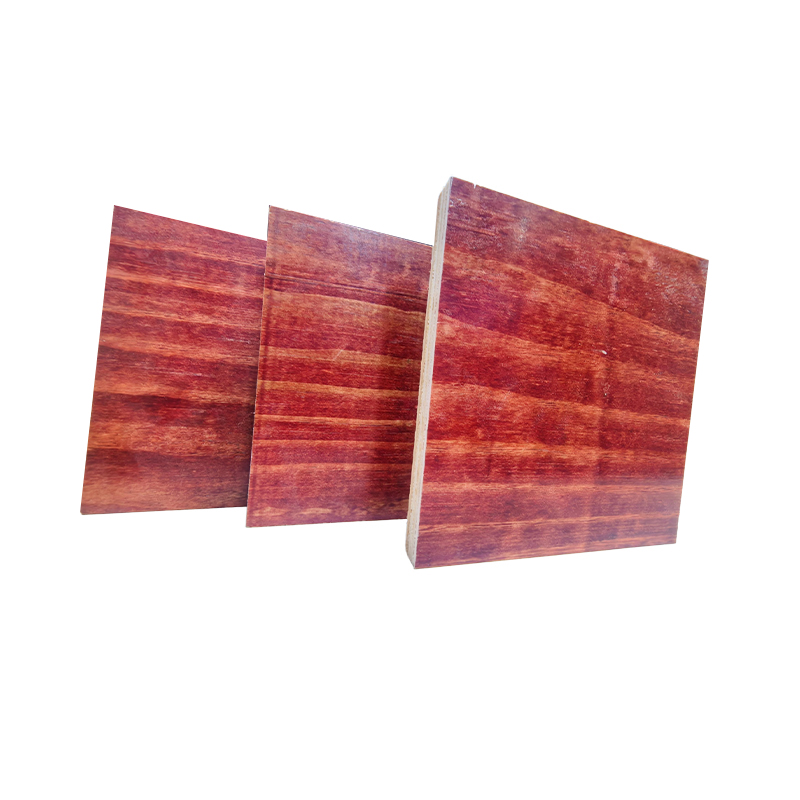
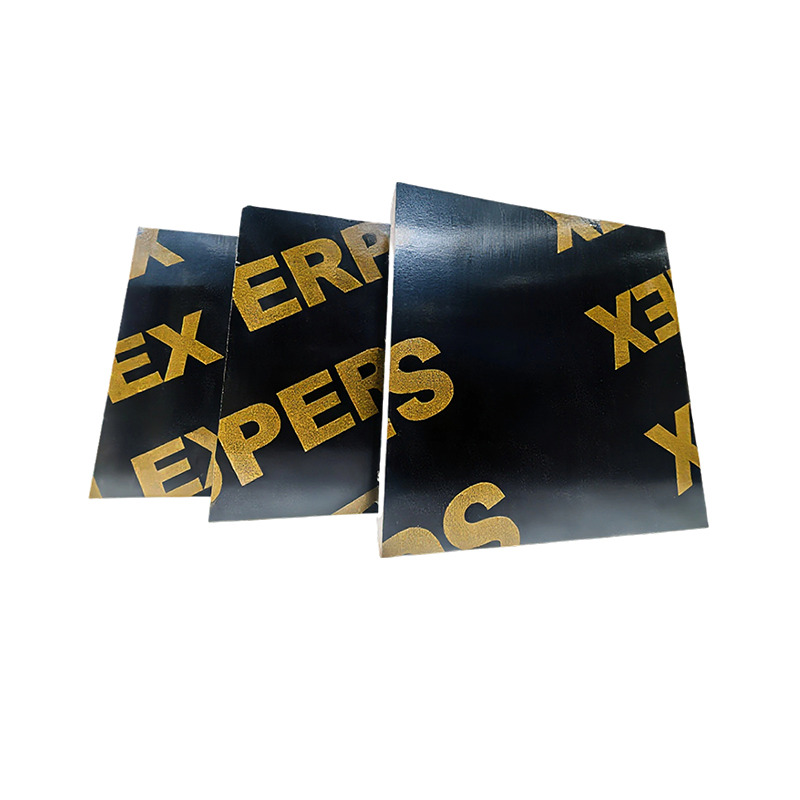
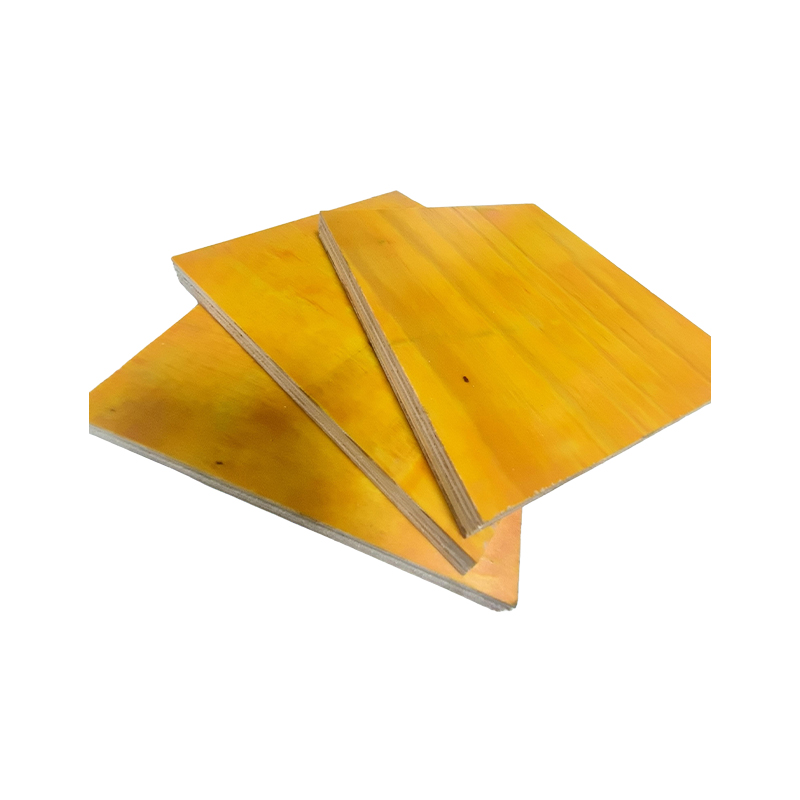


How can building formwork gold board achieve precise cutting and splicing in complex architectural shapes?
Release Time : 2026-05-06
The application of Building Formwork Gold Board in complex architectural designs requires precise cutting and splicing techniques to achieve a unity between design intent and structural function. Its core lies in combining material properties, process optimization, and digital tools to solve key issues such as curved surface forming, irregular shape splicing, and dimensional accuracy control.
The material properties of Building Formwork Gold Board determine the choice of cutting process. This material possesses high strength, corrosion resistance, and good ductility, but it is prone to springback deformation when thicker. For complex curved surfaces, CNC cutting technology is required, using laser or waterjet cutting to achieve high-precision cutting. CNC equipment can directly generate cutting paths based on the 3D model, avoiding dimensional deviations caused by material rebound in traditional manual cutting. For right angles or acute angles, compensation values must be pre-set in the cutting path to offset material deformation and ensure the perpendicularity and flatness of the cut edges.
Optimizing the splicing process is crucial for realizing complex shapes. When splicing Building Formwork Gold Board, it is necessary to address differences in thermal expansion coefficients and connection strength issues. For large-area curved surface splicing, it is recommended to use aluminum profiles of the same color (such as T-shaped or I-shaped strips) as connectors, achieving seamless connection through an embedded snap-fit structure. These connectors can be hidden at the joints of the panels, ensuring a clean appearance while enhancing structural stability through mechanical interlocking. For irregularly shaped splicing, a back-reinforcing frame needs to be pre-processed on the edges of the panels, and the supporting structure should be fixed by spot welding or nailing to avoid welding deformation affecting splicing accuracy. The arrangement of the back-reinforcing bars should be combined with the curvature changes of the surface, increasing the density of reinforcing bars in stress concentration areas to improve overall deformation resistance.
The application of digital design tools significantly improves cutting and splicing efficiency. Through BIM (Building Information Modeling) technology, designers can convert complex shapes into 3D data models, which can be directly exported to CNC cutting equipment, achieving seamless integration from design to manufacturing. During the splicing stage, virtual assembly simulation technology can be used to identify interference points or excessive gaps in advance, optimizing the layout of connectors. For example, in hyperbolic buildings, parametric design can be used to adjust the radius of curvature of each panel to ensure a smooth surface after splicing, avoiding broken lines or misalignments.
Precision control during the cutting process must be maintained throughout the entire workflow. From the material preparation stage, a high-precision cutting machine with a vacuum adsorption table is required to prevent cutting deviations caused by sheet slippage. For irregularly shaped parts requiring multiple cuts, a template positioning method is used, pre-marking cutting lines on the sheet surface and fixing them with specialized clamps to ensure consistent cutting positions each time. Before splicing, the edges of each sheet must be sanded to remove burrs and oxide layers, improving the fit between connectors and the sheet.
The planning of the splicing sequence for complex architectural shapes directly affects the final effect. A "bottom-up, main-to-secondary" principle is generally adopted, completing the splicing of the main curved surfaces first, then processing local decorative components. For hyperbolic or twisted shapes, splicing must be done in sections, with immediate calibration after each section is completed. The flatness and positional accuracy of the curved surfaces are checked using a laser level or total station, and deviations are adjusted promptly. Shrinkage joints must be reserved during splicing to prevent sheet expansion and deformation due to temperature changes.
A quality inspection and correction mechanism is the last line of defense for ensuring precision. After assembly, a 3D scan of the overall shape is required to generate point cloud data, which is then compared with the original design model to identify areas where deviations exceed allowable values. For localized deviations, manual correction can be performed by heating and softening the board, or gaps can be repaired using specialized filling materials. For structural deviations, disassembly and reassembly are necessary to analyze the root cause and optimize process parameters.
The precise cutting and assembly of building formwork gold board in complex architectural shapes requires a systematic solution based on material properties, combined with digital design, CNC machining, meticulous assembly, and comprehensive quality control. Through process innovation and tool upgrades, the limitations of traditional materials in complex shapes can be overcome, providing broader creative space for architectural design.